In Her Own Words
(as found in her co-published work Wildflowers of Newfoundland and Labrador, copyright 2006)
The flowers began it. Numerous, beautiful – they so delighted me that I wished to somehow capture their charms. Pressed and dried, they lost all beauty. Then my husband said, “You should be painting them!” And so, quite innocently – an amateur artist new to the watercolour medium and totally ignorant of botany – I set out to capture the wildflowers of Newfoundland and Labrador.
For five years this venture dominated our short summers. Holidays were spent touring the province in a camper van, which let us stop and stay wherever a new variety was discovered. Usually I would work from soon after daylight until dusk arrived. Then there was a relaxing search in the twilight for a new specimen to pick next morning. Darkness brought out the pile of newly acquired botany books wherein the new variety was, if possible, identified and studied so that no important characteristics would be missed in the painting. At the end of the summer the paintings and the dried specimens were passed on to Dr. Peter Scott at Memorial University for botanical inspection and identification.
These flower studies were done in drybrush watercolour. As each specimen was picked, it was measured carefully and painted in actual size. This presented certain problems such as how to adequately portray a large plant on such a small page, but paid dividends when the matter of publishing came up and all the paintings were the same convenient size. The flowers included [in the book] were chosen not necessarily for their beauty but often for characteristics of special interest and as representatives of plant families and habitats. To pick the branch or plant needed for each picture was painful, but hopefully justified by recording the flower in this way. I would have preferred to leave it in the natural setting to proliferate and give further joy to others.
This involvement with painting flowers was rewarding. The joys of expanding awareness, of sensing and learning, and finally creating, coloured my days. I cannot forget the thrills of first discovery, or finding in a plain, tiny flower a centre of immense and unexpected beauty. I can recall the rapture I experienced on beholding a green bank caught by the strong light of late day, studded with brilliantly glowing pitcher plants. Or, in early morning, the dew droplets scattered in profusion among the sunlit mosses of a bog. There were also frustrations, such as the flowers which drooped so quickly that they were difficult to paint, or those missed one summer for lack of time and lost the next to the ‘progress’ of a new road or town site. In a lighter vein, there was the frustration of carefully doing three Sedum rosea plants on the page and then being told they were all of the same sex, and would I paint another with both sexes! I often struggled to appear nonchalant and sane at moments when I felt otherwise. I tried not to dwell on what the inhabitants of one village must have though the day we motored in, carefully dug up an immense and very spiny thistle, placed it in the car, and drove away.
One day in the spring of 2005, after being out of touch for many years, I received an e-mail from Dr. Scott asking if I still had the paintings. I did – they had spent those long years in my safe and had moved with us from Newfoundland to three different Ontario locations. To my great surprise, the reason for the e-mail was that it seemed we would finally be able to produce a book!
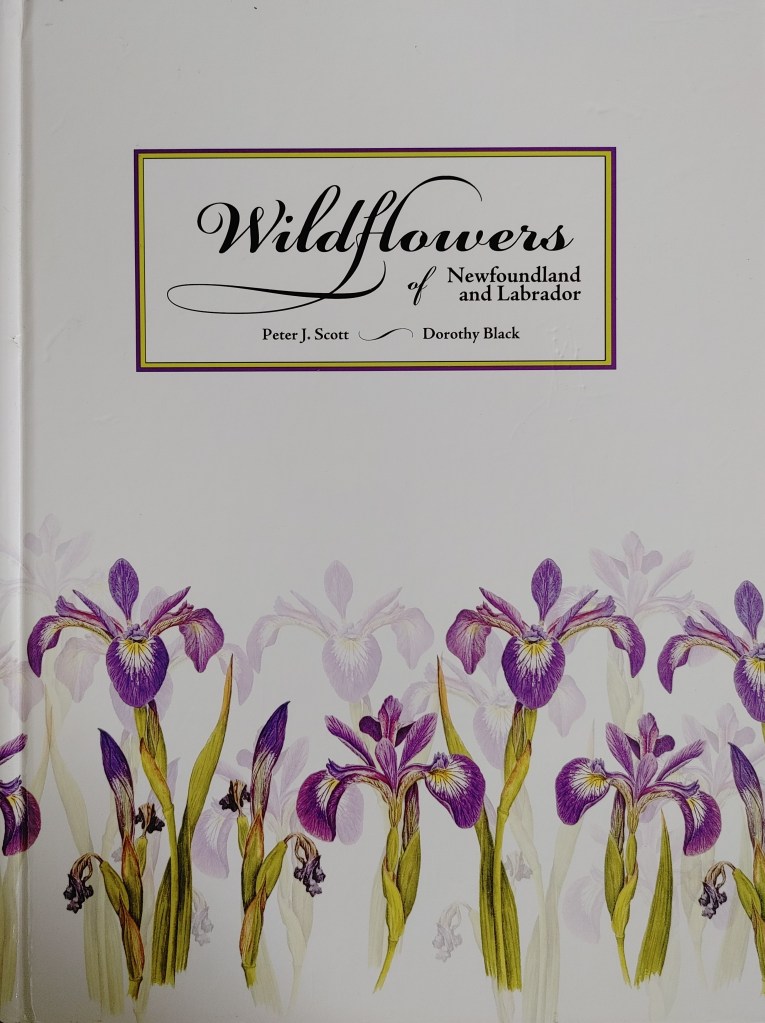
 The Artistry of Dorothy Black